Open World Games vs. Life Simulation Games: Which Offers a More Immersive Experience?
When it comes to gaming, the landscape is rich with choices. Two particularly popular genres that players often debate over are open world games and life simulation games. Each offers its own brand of immersion and engagement, creating unique experiences. So how do these genres stack up against each other? Let’s dive into the key elements that define both gaming experiences to help determine which may be more immersive.
Defining Open World Games
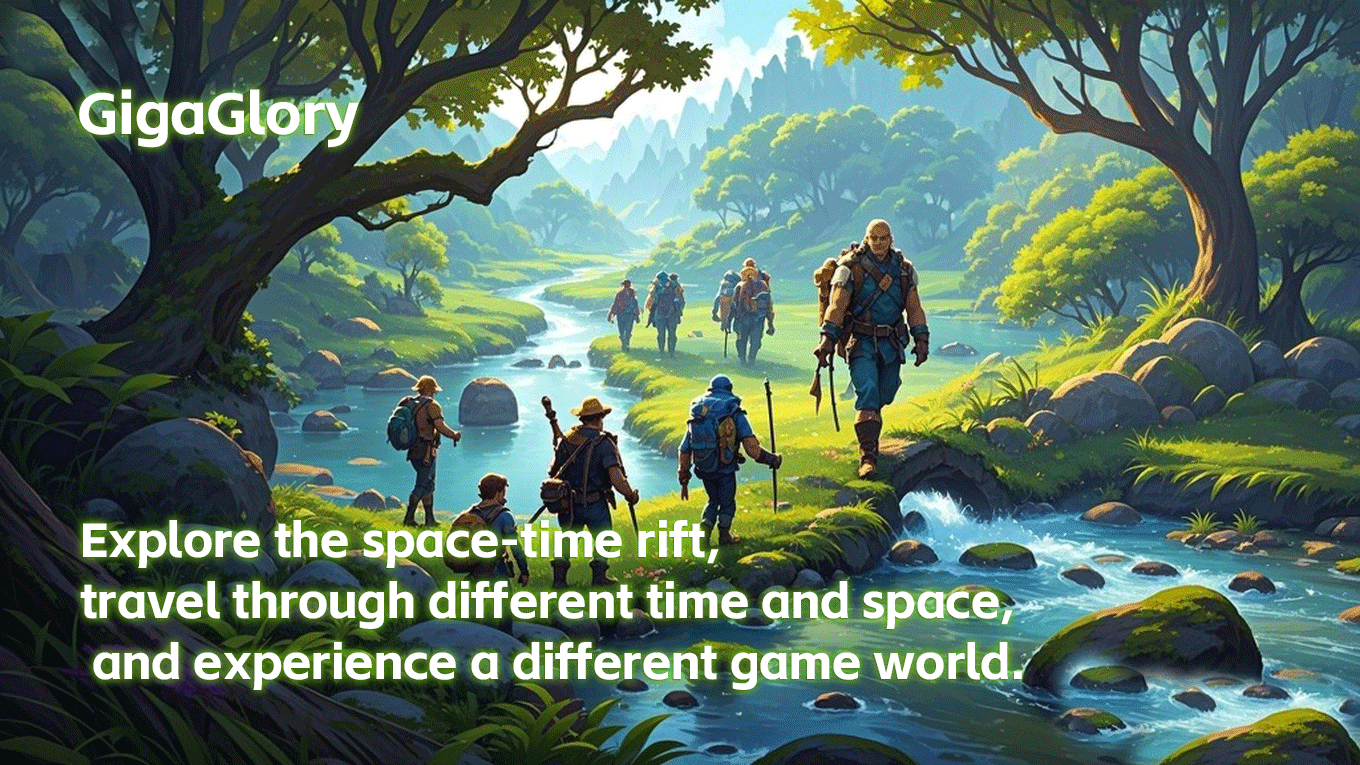
Open world games are characterized by expansive environments that allow players to explore at their own pace. Titles like "The Legend of Zelda: Breath of the Wild" and "GTA V" come to mind, where players can traverse vast landscapes, complete quests, and engage in various activities ranging from combat to puzzles.
- Freedom to explore: Players often have the ability to roam freely, uncovering hidden items and secrets.
- Dynamic environments: The world evolves based on player actions, increasing the sense of agency.
- Multiple pathways and quests: Players face decisions that can alter their gameplay experience significantly.
The Appeal of Life Simulation Games
On the other hand, life simulation games such as "The Sims" or "Animal Crossing" offer a different flavor of immersion. These games let players essentially design and manage lives, neighborhoods, or entire ecosystems.
- Real-life activities: Players engage in mundane yet satisfying tasks such as building homes, cultivating gardens, or forming relationships.
- Emotional connections: Players can form strong attachments to their characters and the virtual life they've created.
- Open-ended gameplay: There are no winning conditions, allowing for infinite replayability based on player desires.
Immersion: The Key Factor
Immersion in gaming can be defined by how deeply a player feels part of the game world. This can be influenced by narrative, gameplay mechanics, and emotional investment. Below is a comparison table showing some different aspects:
| Aspect | Open World Games | Life Simulation Games |
|---|---|---|
| Exploration | High | Medium |
| Emotional Engagement | Medium | High |
| Character Customization | Medium | High |
| Dynamic Environment | High | Medium |
User Preferences and Trends
Understanding user preferences can shed light on which genre might deliver a more immersive experience. Several factors influence gamer decisions:
- Personalization: Gamers might be drawn to the customizable aspects of life simulation games.
- Adventure vs. Routine: Some players may prefer the thrill of adventurous exploits in open world titles, while others enjoy the structured routine of life simulations.
- Social Interaction: Multiplayer features in open world games could attract those looking for social experiences.
Technical Aspects: Performance and Gameplay
Experiencing immersion isn’t only about the world you play in; it’s also about the gaming performance. Issues such as "apex legends crash on match join" or lag can significantly affect the gaming experience. Developers in both genres continuously try to refine their performance to ensure players remain engaged.
- Graphics and Sound Design: Higher fidelity creates a more believable experience, drawing players in.
- Game Mechanics: Smooth, responsive mechanics help provide an immersive feel regardless of genre.
- Bugs and Technical Issues: Persistent issues like crashes can destroy immersion, negatively impacting user experience.
Concluding Thoughts
So, which genre offers a more immersive experience? The answer largely depends on personal preference. If you crave freedom and exploration, open world games might be your go-to. However, if you want to forge emotional connections and shape lives, life simulation games provide that uniquely fulfilling experience.
Ultimately, both genres contribute significantly to the gaming world and cater to different types of players. It's possible to appreciate both for what they offer—each crafting its own unique slice of immersive gaming.
Remember: Immersion is subjective, and the best gaming experience is the one that resonates with you personally!